Nationally, Democrats talk a lot about what is broken in American politics. They talk about the influence of big money. They talk about donor capture. They talk about how elected officials too often answer to corporations, lobbyists, and political benefactors instead of the people who sent them to office.
What is discussed far less often is what it looks like when a candidate decides to act on that critique in a tangible way.
For many Americans, Mullins McLeod first entered the national consciousness not through politics, but through the courtroom. In the aftermath of the mass shooting at a historic African American church in Charleston, South Carolina, McLeod served as part of the legal team that helped secure an $88 million verdict against the federal government and the FBI. At the time, it was one of the most significant civil rights cases connected to the tragedy and placed McLeod on the national stage as a lawyer willing to confront powerful institutions.
That case was not an outlier. As recently detailed in The MinorityEye in an article examining “The Real Mullins McLeod”, his legal career includes more than $183 million in verdicts and settlements tied to civil rights and constitutional claims, a record that has quietly shaped his public profile long before he entered the governor’s race.
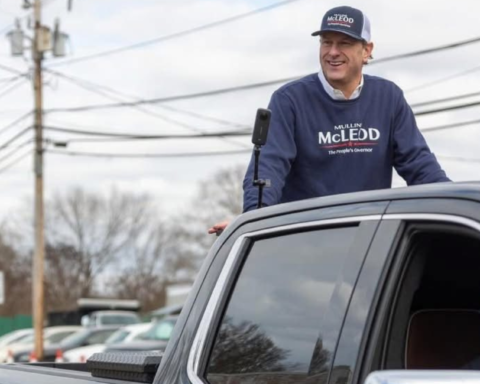
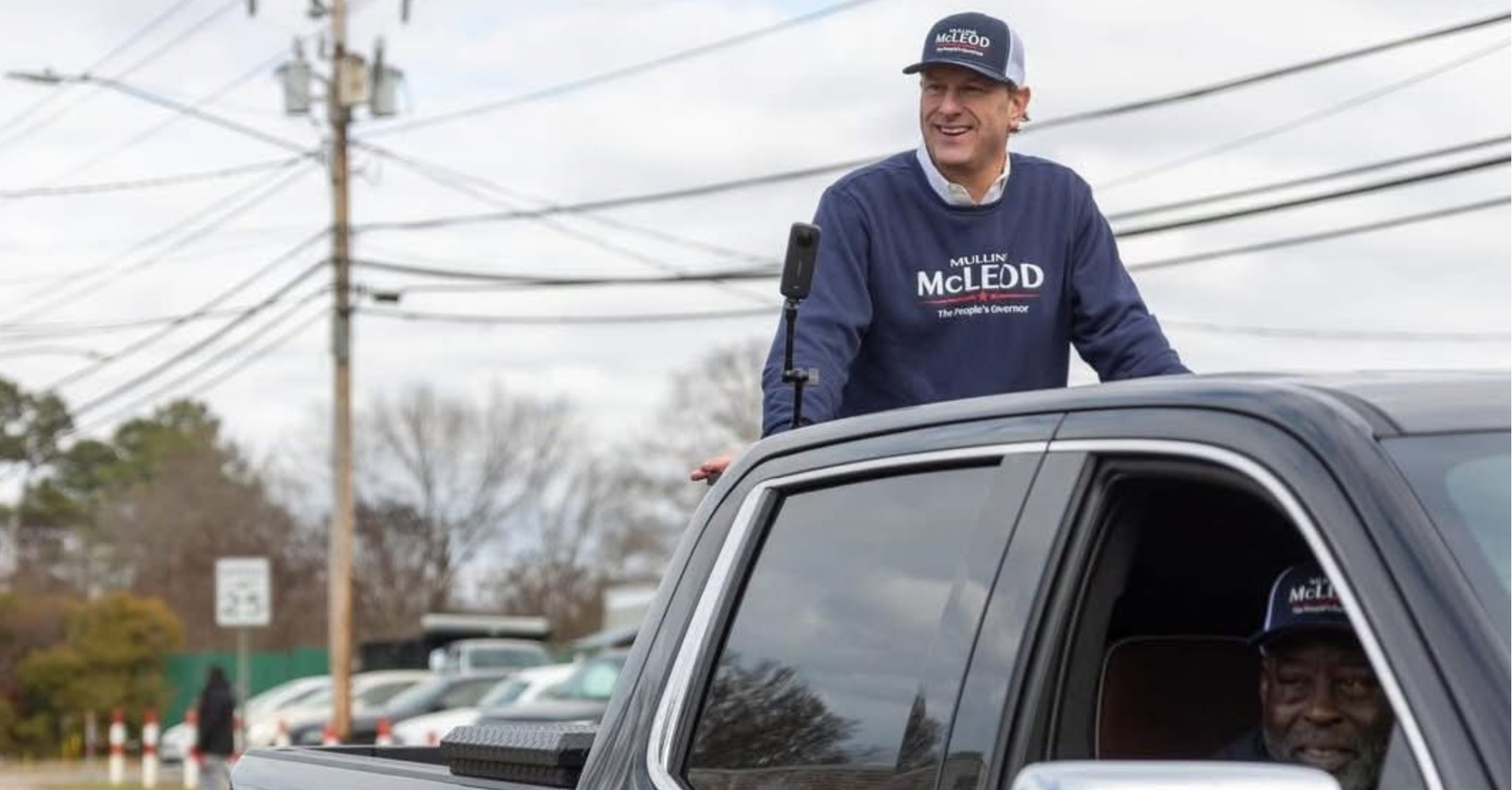
Now, as a Democratic candidate for governor of South Carolina, McLeod is drawing national attention for a different reason. He has chosen to invest a portion of his own life savings into his campaign, a decision he says is rooted in independence and accountability rather than advantage.
McLeod has been clear about his reasoning. He has said he is self-funding because he believes the people of South Carolina deserve a governor who belongs to them and nobody else, and because he does not want to owe anyone but the voters when he takes office.
That statement is more than a campaign explanation. It is a governing philosophy expressed early.
Independence as a Starting Point
That independence is not theoretical. It is backed by resources. As detailed in The Palmetto Eye’s recent analysis, “McLeod Tops the Fundraising Field,” the campaign currently leads all Democratic and Republican contenders in cash on hand. In a race where financial capacity often determines who is heard and who fades, that standing has reshaped early assumptions about the contest.
Modern campaigns are built on dependency. Money creates access. Access creates influence. Even when donors act in good faith, the structure of political fundraising inevitably tilts power away from voters and toward those who can afford to give the most, a reality South Carolinians have seen play out in legislative fights over utilities, development, and corporate tax incentives.
Democrats have spent years pointing this out. They have made donor influence a central critique of the system. Yet many campaigns still operate inside that same structure, relying on corporate money and large donors while promising reform on the back end.
McLeod’s approach flips that order.
By funding his own campaign, he is not claiming moral superiority. He is making a practical choice to begin without financial leverage hanging over him. He is choosing to absorb personal risk rather than outsource political risk to donors and interest groups.
From a Republic Eye perspective, that choice matters because campaigns often reveal how candidates intend to govern. Independence at the campaign stage suggests a preference for independence in office.
Answering the Obvious Critique
There is an understandable concern that self-funding campaigns could lead to a politics dominated by wealthy individuals. It is a critique worth acknowledging.
But that concern misreads what McLeod is doing.
He is not arguing that wealth should determine who can run for office. He is demonstrating what it looks like when a candidate voluntarily limits donor influence instead of normalizing it. Self-funding, in this case, is not about buying advantage. It is about refusing obligation.
In fact, the larger contradiction lies elsewhere. Democratic leaders frequently warn about the corrosive effects of money in politics, yet candidates who attempt to operate outside donor-driven systems are often treated as inconvenient rather than celebrated. That tension exposes a gap between rhetoric and reality. When a candidate is willing to fund and fundraise without corporate backing, it raises an uncomfortable question about whether independence is truly encouraged or merely applauded in theory.
McLeod’s willingness to put his own resources behind his values does not solve the broader problem of money in politics. But it does clarify his intent. He is choosing accountability to voters over comfort with donors.
Character Revealed Through Risk
There is also a personal dimension to this decision that is often overlooked.
Self-funding is not safe. It does not guarantee victory. It involves real financial risk and no guaranteed return. In a political culture where candidates often insulate themselves from downside consequences, McLeod’s approach signals a willingness to bear the cost of his convictions.
That does not make him immune to criticism or mistakes. But it does offer insight into how he weighs responsibility and accountability before ever holding office.
Character in politics is often discussed abstractly. Decisions like this make it visible.
A Model Worth Watching
From outside South Carolina, McLeod’s campaign raises a broader question for Democrats nationally. If reducing donor influence is a genuine priority, what does it look like when candidates act on that belief in meaningful ways?
Not every candidate can self-fund. Not every campaign should. But the principle behind McLeod’s decision is transferable. Credibility is built not just by criticizing a broken system, but by demonstrating alternatives within it.
McLeod is not asking voters to trust his words alone. He is backing them with personal investment and personal risk.
The real story is not the dollar amount. Not the mechanics. But the meaning behind the choice. In a moment when Democratic voters are openly questioning who truly represents them and who represents donor interests, that distinction carries real weight.
If politics is ultimately about who a leader answers to, McLeod has made his answer clear before a single vote is cast.