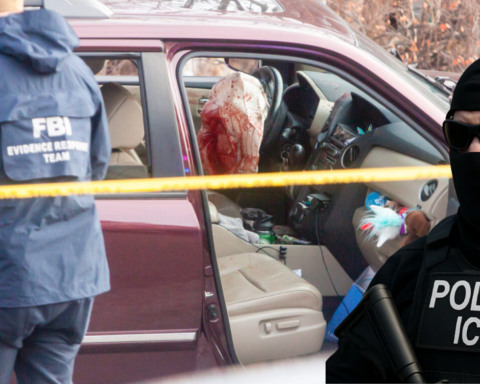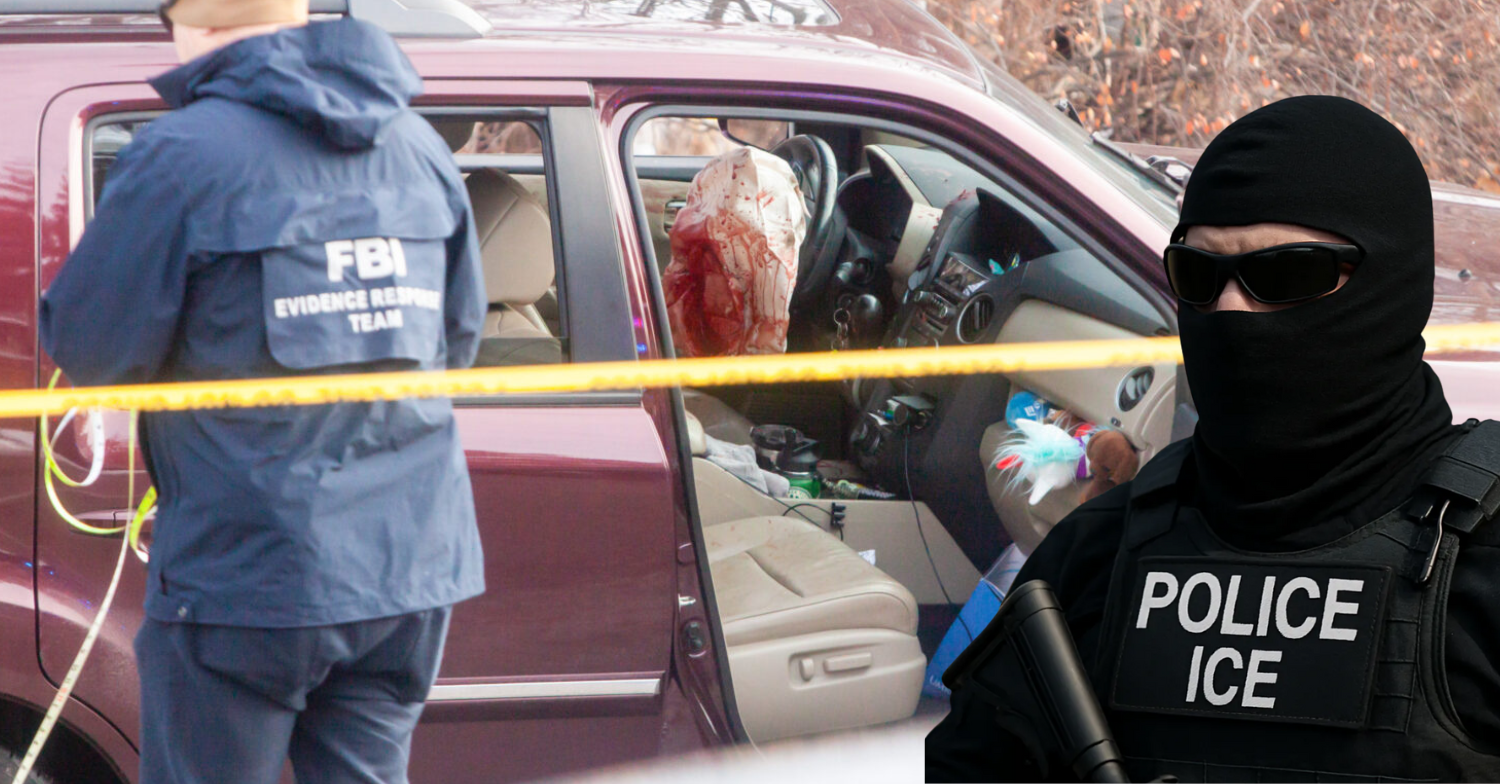

Yesterday in Minneapolis, a 37‑year‑old woman named Renee Nicole Good was shot and killed by an Immigration and Customs Enforcement (ICE) officer during a federal immigration enforcement operation in the Central neighborhood of the city.
Video footage from the scene shows multiple ICE agents approaching her vehicle, and as she attempted to drive away, one agent fired several shots into the SUV. The woman was taken to a hospital, where she died.
Federal officials have claimed the shooting was an act of self‑defense, saying the woman “attempted to run over” officers. Local leaders, including Minneapolis Mayor Jacob Frey, reject this narrative entirely, calling the self‑defense claim “garbage” and pointing to video evidence that does not clearly support it.
This is not just breaking news. This is a moment that should force a national conversation about who federal immigration enforcement is serving, how its methods are perceived, and what happens when state power meets racialized fear.
Why This Shooting Matters
1. The Context of Federal Enforcement in Minneapolis
This incident unfolded amid a massive federal immigration operation, described by officials as the largest in Minneapolis history, with thousands of officers deployed. DHS has positioned this as part of a broader surge in immigration enforcement, but the local reaction has been fierce.
Mayor Frey and Minnesota Governor Tim Walz have both pushed back, saying the federal presence is not improving public safety and that Minneapolis does not need more ICE at this moment.
Critically, this fatal shooting occurred less than 24 hours after the operation began. The speed with which violence erupted highlights that this is not a slow administrative process — it is an active law enforcement intervention with real and deadly consequences.
This matters because federal forces, unlike local police, do not operate under the same transparent oversight, accountability measures, or community expectations that local law enforcement typically must answer to.
2. Community and Racial Impact Cannot Be Ignored
Good’s death is not happening in isolation. It comes as federal immigration enforcement becomes more visible and more militarized in American cities.
My article “ICE: The Birth of the American Gestapo” explores this trend, arguing that ICE is increasingly perceived as a military‑style force rather than a conventional law enforcement entity. In that piece, I write:
“ICE agents do not present themselves as community protectors… The uniform does not communicate safety. It communicates dominance.”
This is important for understanding why today’s shooting has resonated so deeply with community members in Minneapolis and beyond.
Racial and immigrant justice advocates point out that enforcement actions like this disproportionately impact Black and Brown communities, even when the person involved is a U.S. citizen contributing to their community. Video and eyewitness accounts from today’s incident do not clearly show a threat justifying the use of lethal force, and that discrepancy is fueling protest and outrage.
One civil rights coalition’s statement on the shooting noted that a federal officer’s taking of a life should not be met with “political spin” but with “immediate transparency and real accountability.
3. The Broader Trend Is One of Escalation, Not De‑Escalation
This shooting should be understood as part of a larger pattern under the current administration’s immigration policy.
Earlier reporting and analysis documented how ICE has been expanded rapidly with major recruitment drives and increased deployment in interior cities without a parallel rise in credible public safety threats. Many scholars and activists argue that this shift turns immigration enforcement into a politicized policing force rather than a civil regulatory agency.
When federal agents are operating in neighborhoods with tactical gear, limited identification, and little publicly accessible oversight, the public’s trust erodes. That distrust has already manifested in protests near the scene today, where crowds gathered, and tensions between residents and federal agents escalated.
This episode reignites debates about law enforcement, race, and civil liberties in America. And because Minneapolis is a city still grappling with the legacy of police violence and racial injustice, the symbolism of this event, an ICE officer killing an unarmed woman, is not lost on residents or national observers.
4. Accountability and Transparency Must Be Central to the National Conversation
In the wake of this tragedy, local officials have demanded thorough investigations and greater accountability for federal agents operating in Minneapolis.
Mayor Frey has publicly called on ICE to leave the city, insisting that their presence is doing more harm than good.
Yet federal agencies often operate with legal immunities and protections that make accountability difficult. Without robust oversight, the public is left with conflicting narratives: one claiming self‑defense and one claiming unnecessary use of lethal force.
That conflict matters. When the government kills a civilian, especially someone who was reportedly not the target of any investigation, the demand for transparency isn’t ideological. It is constitutional.
What This Means for the Country
This moment should trouble anyone who believes in a justice system built on accountability, equity, and constitutional protections.
A federal agency that uses military‑style tactics, masked officers, and lethal force in residential neighborhoods without a clear public justification is not merely enforcing immigration law. It is inserting state power into everyday life in a way that many Americans, particularly minority communities, have experienced all too often.
The Minneapolis shooting reinforces the core concerns I raised in The Masked Enforcers, where I argued that ICE’s evolution reflects a growing fear‑based approach to domestic enforcement rather than a focus on public safety.
Now, that approach has claimed a life.
And that is why we cannot simply scroll past this headline.