

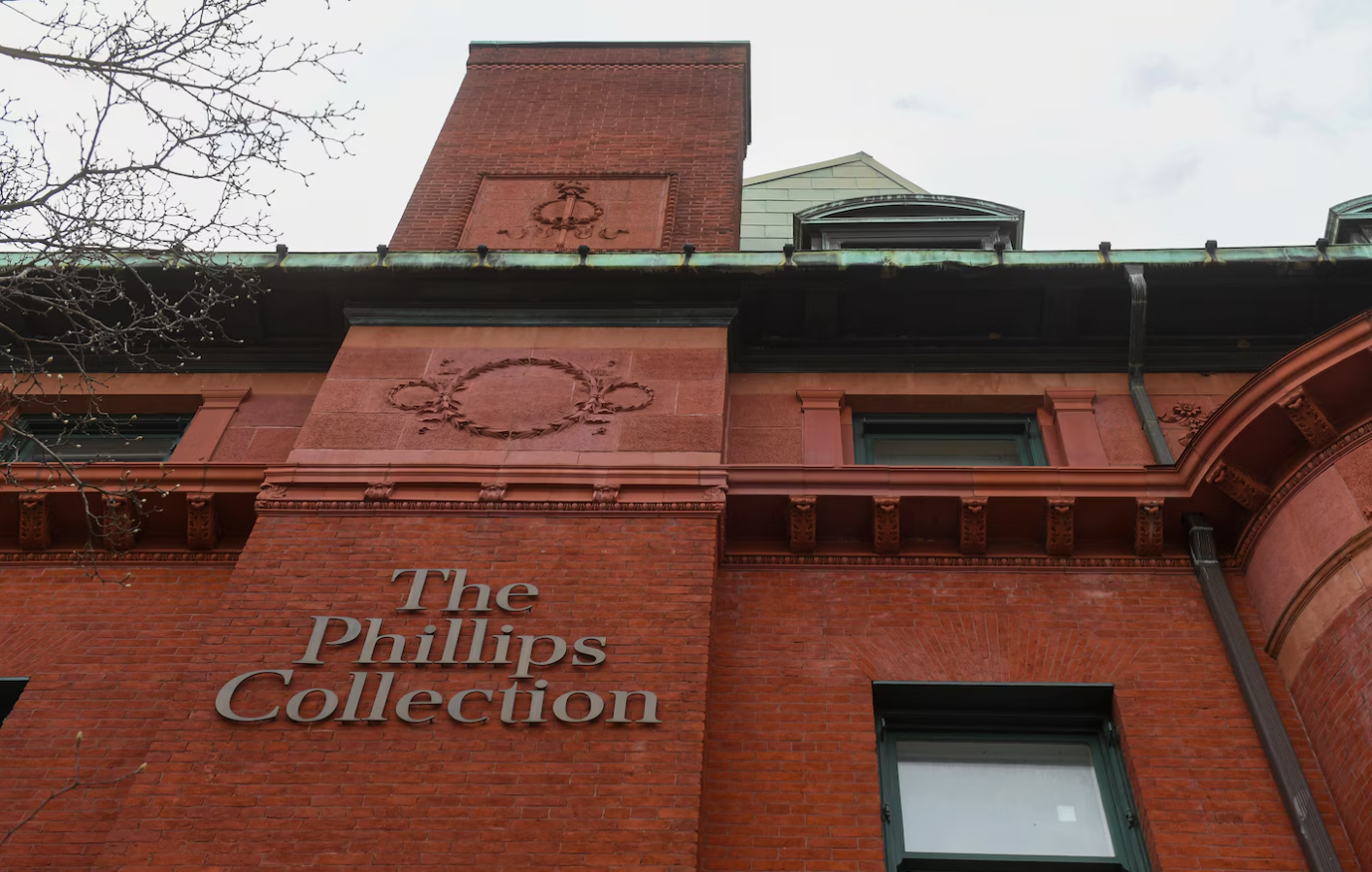
The Phillips Collection—the country’s first museum of modern art—has ignited a national debate by announcing that it will sell major works by Georgia O’Keeffe, Georges Seurat, and Arthur Dove to acquire more art by living artists. The Washington Post reports that the move has split trustees, curators, and longtime supporters. This is more than an internal dispute. It is a struggle over identity, legacy, and the meaning of cultural stewardship in America.
At the heart of the issue lies a dilemma every cultural institution now faces:
Should museums preserve history, or respond to the present?
The Phillips argues that diversifying its collection with more contemporary voices—particularly voices historically underrepresented—is essential for remaining relevant. Supporters frame the decision as an investment in the future, an effort to reflect the living, evolving Republic.
But detractors see something else: the erasure of foundational works in the name of modern branding. When O’Keeffe, Seurat, and Dove become expendable, what does that say about the value we place on the artistic heritage that shaped American modernism? And who determines which artists are “worth keeping” when the definition of relevance changes with cultural winds?

The conflict mirrors a broader tension in American life:
How does a nation honor its past while making room for voices that were excluded from it?
The Republic Eye views this moment not as a scandal but as a cultural crossroads. Deaccessioning reveals the increasing pressure museums face to be more inclusive, more contemporary, more diverse—and yet financially sustainable. It also exposes how institutions, like the Republic itself, must navigate the friction between tradition and transformation.
The question is not simply whether the Phillips should sell these works. The question is what values such decisions express—and what future they build.
Closing Insight
Museums are mirrors of national identity. When they choose what to keep and what to let go, they are shaping the memory of the Republic. The Phillips Collection is making a bet that the future deserves more room. The risk is that, in creating tomorrow’s narrative, we may lose touch with the art that taught us how to see.
